_edited.jpg)
The Violence Required to Silence the Rational Mind
On the collapse of private judgment and the birth of obedience
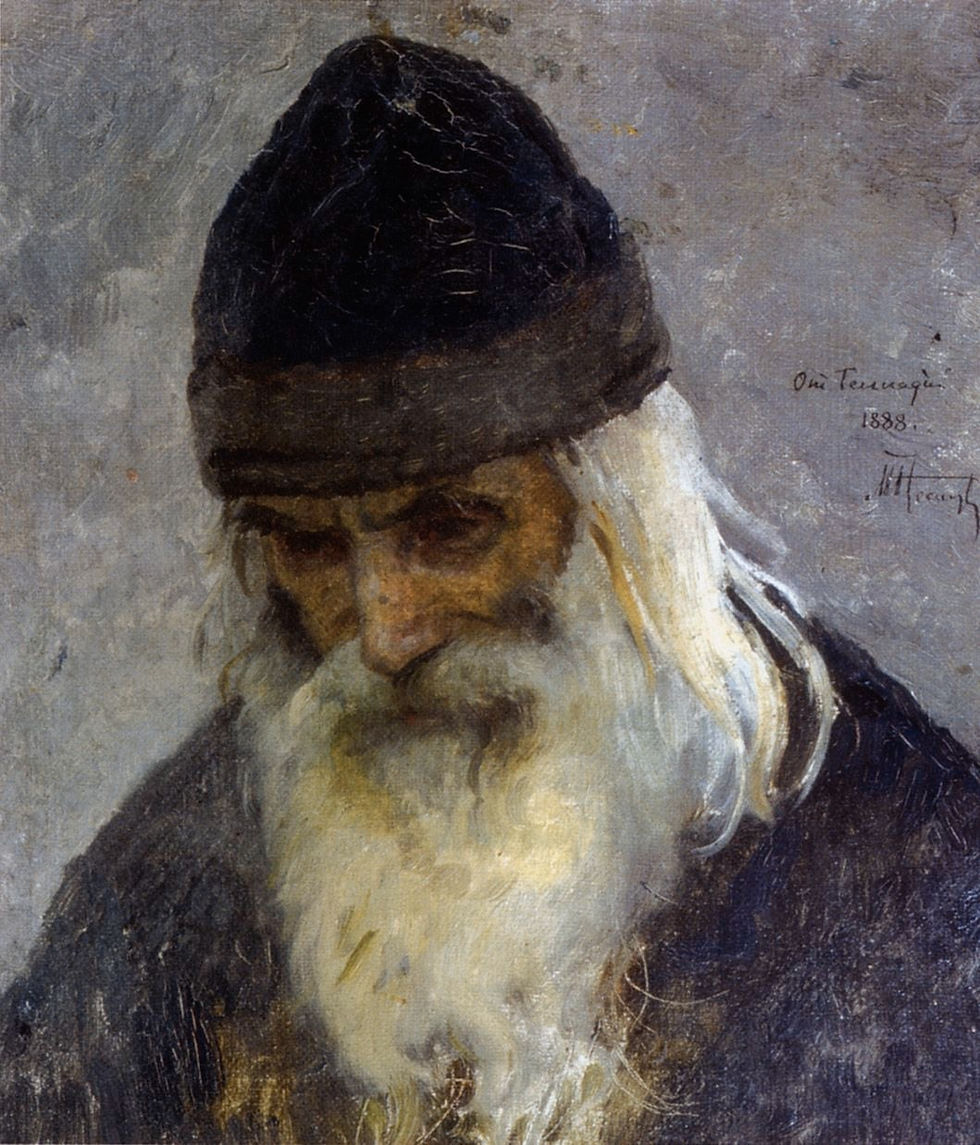
“Trust in the Lord with all thine heart, and lean not unto thine own understanding.”
Proverbs 3:5
⸻
The greatest obstacle between man and God is not sin.
It is his mind.
Not the mind as God created it. Not the mind illumined by grace. But the fallen mind that believes itself capable of standing apart from God and judging reality.
This mind does not kneel.
It evaluates.
It does not listen.
It analyzes.
It does not receive.
It decides.
This is the mind that destroyed Adam.
The serpent did not tempt Adam with pleasure. He tempted him with interpretation. He offered him the right to determine truth apart from obedience.
“You shall be as gods.”
Not by becoming holy.
But by becoming autonomous.
And Adam accepted.
From that moment forward, man began to trust his perception more than God’s voice.
Archimandrite Zacharias says this is the greatest temptation of the monk. Not lust. Not comfort. Not fear.
But reliance on his own rational mind.
Because the rational mind creates the illusion of stability. It allows the monk to remain intact. It allows him to believe he understands his path. It allows him to preserve himself even while appearing to surrender.
He speaks of grace being given freely at the beginning, and how quickly the monk imagines this grace belongs to him. He begins to speak with authority. He begins to trust his insights. He begins to believe he sees clearly.
Like the parrot that learns to say good morning and thinks itself wise.
This is the beginning of spiritual death.
Because God does not unite Himself to the man who understands.
He unites Himself to the man who obeys.
The rational mind cannot receive God because it cannot stop asserting itself. It cannot stop interpreting. It cannot stop protecting its own position. It cannot stop placing itself at the center.
This is why obedience is so violent.
Obedience does not wound the passions first.
It wounds the mind.
It strips man of the right to define himself. It strips him of the right to trust his own conclusions. It strips him of the illusion that he can guide himself.
It returns him to the condition of Christ in Gethsemane.
“Not my will, but Thine, be done.” Luke 22:42
This is not poetry.
This is execution.
Because the will does not surrender easily. The mind does not relinquish its throne willingly. It fights. It justifies. It resists. It creates arguments. It creates interpretations. It creates entire worlds in which it remains right.
This is why affliction is necessary.
Affliction dismantles the mind’s authority.
Affliction places man in conditions he cannot control, cannot interpret, cannot escape. It corners him. It exposes the limits of his understanding. It forces him to confront the truth that he cannot sustain his own life.
And in that breaking, obedience becomes possible.
St. Paul says that those who refuse this education are given over to a reprobate mind.
Not because God abandons them.
Because they refuse to abandon themselves.
The Western world has built an entire civilization on this refusal.
It has enthroned private judgment. It has declared autonomy sacred. It has made personal perception the final authority. It has replaced obedience with opinion.
Every man becomes his own elder.
Every man becomes his own guide.
Every man becomes his own god.
And in doing so, every man becomes alone.
Because the mind cannot save itself.
It can construct systems. It can produce explanations. It can dominate the external world.
But it cannot create life.
Life enters only where obedience has created space.
Archimandrite Zacharias says obedience gives God all the space to act. This is not symbolic language. It is literal. As long as the mind occupies the center, God remains at the margins. As long as man insists on guiding himself, he remains confined within the limits of his own nature.
Obedience empties the center.
Obedience creates a void.
And God fills it.
This is why the monk must pass through upheaval.
His mind must collapse.
His confidence in himself must be destroyed.
His reliance on his own perception must be revealed as false.
This is the earthquake Zacharias speaks of. Not external. Internal. The destruction of the structure that allowed the self to remain sovereign.
Only then can the mind of Christ enter.
St. Paul says, “Let this mind be in you, which was also in Christ Jesus, who humbled Himself, and became obedient unto death.” Philippians 2:5–8
The mind of Christ is not autonomous.
It is obedient.
It does not assert itself.
It receives everything from the Father.
This is the mind the monk seeks.
This is the mind every Christian must seek.
Not a stronger mind.
Not a clearer mind.
A surrendered mind.
Because until the mind falls silent, God will not be heard.
And until man relinquishes the right to guide himself, he will never be led.
The path to God does not pass through understanding.
It passes through obedience.
And obedience always feels like death.
Because it is the death of the mind that believed it could live without Him.


Comments