_edited.jpg)
Homeless in the World, Housed in God

“You who have said: Lord, my refuge! and have made the Most High your dwelling.”
The psalm does not say that the world has become safe. It does not promise that harm will cease or that suffering will be explained. It names something far more severe and far more liberating. It declares that refuge is not found in conditions, outcomes, or protections, but in a Person. The Most High is not a shelter built to keep the world out. He is a dwelling entered precisely because the world is what it is.
To live in a fallen and corrupt world is to be exposed. Violence, deception, betrayal, illness, and death are not interruptions to normal life. They are the atmosphere of life east of Eden. The Cross does not correct this misunderstanding. It confirms it. God does not save the world by removing suffering from it. He saves it by entering suffering without fleeing, without defending Himself, without constructing an escape. The Crucified Christ reveals that refuge is not the absence of darkness but communion that endures within it.
The heart knows this, and yet resists it. We want a refuge that insulates rather than transforms. We want a faith that calms anxiety without asking for surrender. So we build structures, practices, identities, even orthodoxies that promise a sense of safety. We arrange beliefs so that everything is accounted for. We pray not to be drawn into God, but to be reassured that our lives will remain manageable. Religion becomes a carefully furnished interior space where the sharp edges of reality are padded and the cost of love is kept low.
This is not hypocrisy so much as fear. The world wounds us, and we long for relief. But when faith becomes a refuge we construct, it quietly replaces God with consolation. It seeks peace without crucifixion. It asks God to sanctify the walls we have built rather than to dismantle them. And slowly, almost imperceptibly, the heart stops dwelling in the Most High and begins dwelling in its own arrangements.
The psalm speaks more starkly than that. To make the Lord one’s dwelling is to abandon every other refuge. It is to consent to being homeless in the world so that the heart might be housed in God. This is not emotional security. It is exposure held by love. It does not sweeten bitterness. It allows bitterness to be endured without poisoning the soul. It does not soften suffering. It gives suffering a place to rest that does not collapse into despair.
Only in Him is peace, not because life becomes peaceful, but because the soul is no longer trying to save itself. Only in Him is hope, not as optimism, but as fidelity. A staying. A remaining when nothing else reassures us that remaining makes sense. Communion with God does not lift us above the world in triumph. It lifts us above it in truth. It frees the heart from needing the world to be other than it is in order to love God within it.
The Cross teaches us this without words. Christ does not cling to life, reputation, or meaning. He entrusts Himself entirely to the Father. In doing so, He reveals the only refuge that cannot be shaken. Not an idea. Not a system. Not even a feeling of peace. But a dwelling. A life hidden in God, where even darkness and death are no longer final.
To say, “Lord, my refuge,” is therefore a vow. It is the renunciation of every lesser shelter. It is the courage to let faith be stripped of its comforts so that it may become real. It is the slow, painful learning that nothing in this world, not even our religion, can bear the weight of our hope. Only the living God can. And only in dwelling in Him does the soul find a peace that does not lie.
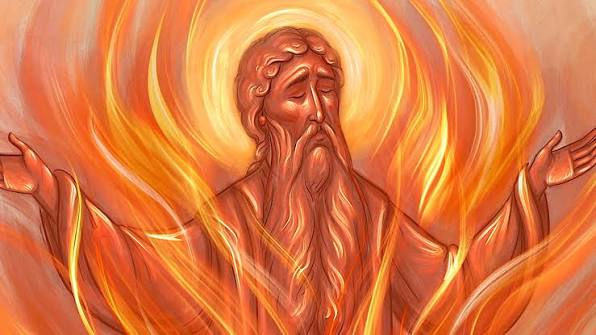


"To make the Lord one’s dwelling is to abandon every other refuge..." Lord, help me to stop seeking any refuge other than You. Give me courage, faith, complete surrender.